The basic idea behind pawning
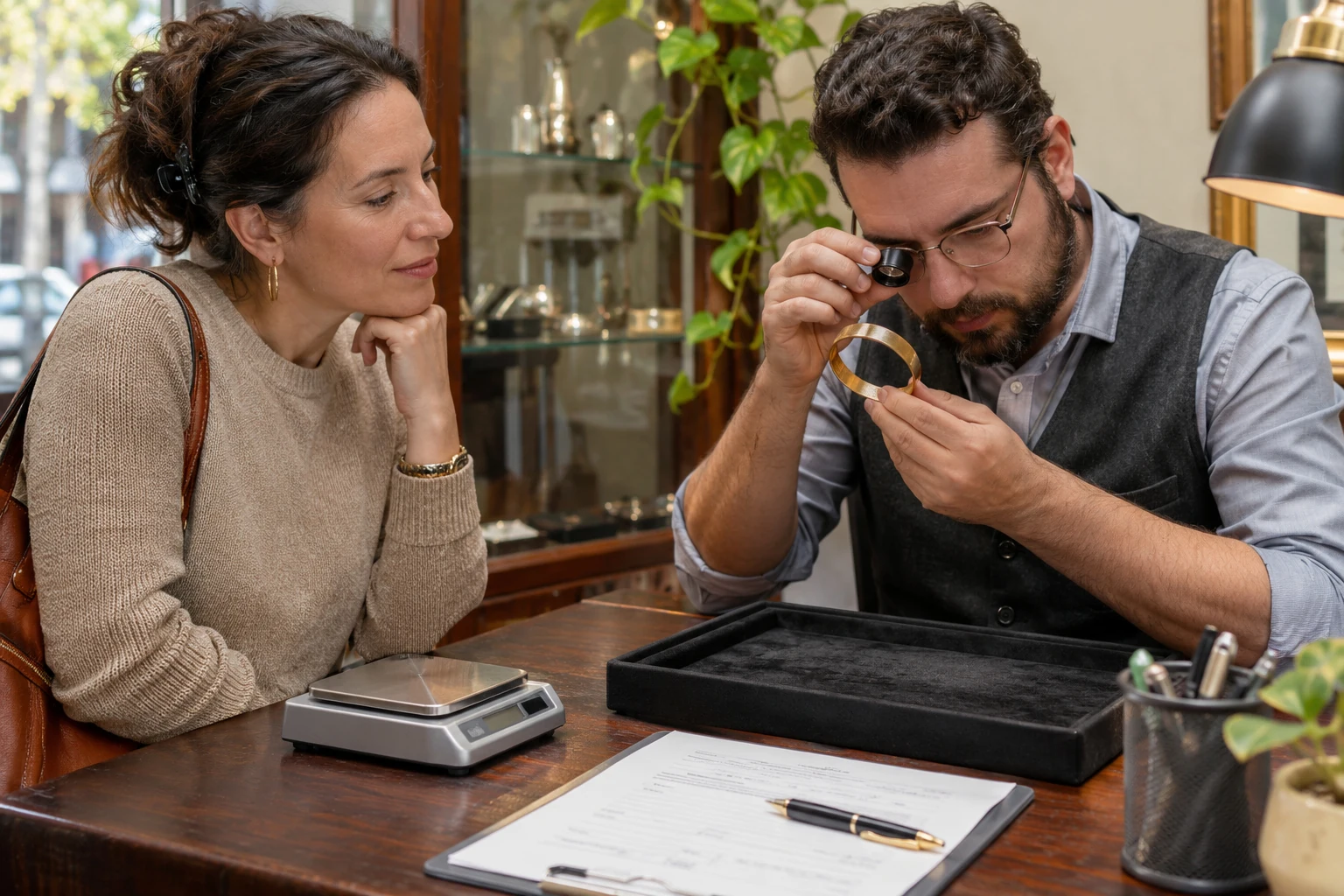
Pawn loans with no credit check let you borrow money by leaving a valuable item with a lender, called a pawnbroker, who holds it as security until you repay. Because the item itself guarantees the loan, the lender does not need to study your credit history or income. If you repay on time, you get the item back. If you do not, the pawnbroker keeps it and sells it.
The arrangement is simple, which is its main attraction. It is also the reason the product matters for people with a damaged score: the risk that normally worries a lender is covered by the object, not by the borrower's reputation. The trade-off is that you can lose something you own, and that the lender decides how much it is worth.
What items are commonly accepted
Pawnbrokers prefer items that are easy to value and easy to resell. Typical categories include jewellery, watches, electronics, musical instruments, power tools and sports equipment. Items that are hard to price, bulky, or quickly outdated are less welcome.
How a lender sets the offer
The offer is normally a fraction of what the lender expects to get when selling the item, since the business needs a margin if the loan goes unpaid. A ring that could resell for 900 dollars may attract a loan far smaller than that figure. The amount depends on the lender, the item and its condition, and no standard percentage is fixed by law that could be quoted here.
Documents to bring
- Government photo identification
- The item, in working condition, with chargers or cases when relevant
- Receipts, serial numbers or appraisals, which help establish value
Pawnbrokers often record your identity and details of the item to guard against stolen goods, so expect to be asked.
Redemption, fees and the pawn ticket
When you pledge an item you receive a ticket or contract. It states the loan amount, the charge for borrowing, the date by which you must repay, and what happens afterward. Read each line before you leave the counter, because the ticket is the legal record of the arrangement.
A hypothetical example of the arithmetic
Suppose a hypothetical lender advances 300 dollars against a gold bracelet and charges a 45 dollar fee for a 30-day term. To get the bracelet back you pay 345 dollars. The fee alone is 15% for one month, which is about 180% over a year if the same pattern repeated. These numbers are for illustration only and are not a quote from any business, but they show how a small monthly percentage becomes a high annual cost.
If you cannot pay on the due date, ask whether the term can be extended by paying only the fee. Some pawnbrokers allow it, and it is cheaper than losing the item, though you will pay another fee each time.
Where pawn loans sit in Canadian law
The criminal interest rate in Canada is 35% APR for agreements made after January 1, 2025, but the federal rules carve out several categories, including commercial loans, payday loans and pawn loans, according to a legal summary by Bennett Jones. In other words, the general ceiling that limits most consumer loans does not apply in the same way to pawn loans.
That does not make pawnbroking a free-for-all. Provinces and municipalities may license pawnbrokers, regulate their records and set rules about how long an item must be held before being sold. These requirements differ widely, and the specifics for each province could not be confirmed here. Before dealing with a shop, ask for its licence details and consult your provincial consumer protection office to learn what applies where you live.
Pawn loans compared with other quick money
| Aspect | Pawn loan | Payday loan | Instalment loan |
|---|---|---|---|
| Security | An item you hand over | Your next paycheque | Often none |
| Effect if unpaid | You lose the item | Collection, returned payment fees | Collection, report to a bureau |
| Income verified | Usually not the focus | Yes | Yes |
| Debt left after default | Typically none beyond the item | Yes | Yes |
The last row is the particular strength of the product. Since the collateral is the only claim, most pawn loans do not leave a balance behind if you walk away. For someone worried about a debt spiralling, that boundary can be reassuring, as long as the item is something you can live without.
Real risks to weigh
- Loss of sentimental items: a wedding ring or family heirloom may be worth more to you than to the lender. Do not pledge an item you could not bear to lose.
- Low valuations: pawn offers are often below market resale value. Ask other buyers or jewellers for a quote first.
- Repeat extensions: paying the fee month after month can cost more than the loan itself.
- Theft concerns: never pledge goods that are not yours, even briefly. The consequences are serious.
Think of a pawn loan as a way to sell an item temporarily with an option to buy it back. If you would not sell the item outright at that price, hesitate before pledging it.
Alternatives worth a look
If the amount needed is small, a payment plan with the creditor, an advance from an employer or a community organization may be cheaper than pawning. In many cities, food banks and local social programs can reduce the pressure on a household budget. Food Banks Canada runs a locator to help people find a food bank near them, which frees cash for a rent or utility bill. The 211 service, reachable by phone, text or chat in more than 150 languages, directs callers to local help with housing, income support and emergency needs, without charge.
For debt that keeps returning, certified credit counsellors can build a budget and negotiate with creditors. Credit Counselling Canada lists accredited agencies and their locations. A single session may show options you had not considered.
Pawning versus selling outright
Before committing, decide whether you want the item back. Take Lucille, who owns a guitar worth about 600 dollars that she plays twice a year. If she needs 250 dollars for a single month, pawning may suit her, since she expects to redeem it. If she would rather clear the clutter, selling it privately could bring in more money with no fee at all. The question is not which route is cheaper in the abstract but which matches what you want to end up with.
Spotting a poor shop
Be wary of a shop that refuses to write down the terms, that cannot explain how it values the item, or that pressures you to accept the first number it states. A reputable business will show you its licence on request, give you a copy of the ticket and describe the redemption process plainly. Online offers that claim to buy your item sight unseen and send money before inspection deserve extra suspicion, because that pattern is common in advance-fee scams.
Checklist before pawning
- Get a written offer from two sources if possible.
- Ask for the total cost of redeeming the item on the due date.
- Confirm in writing what happens if you miss the date.
- Photograph the item and keep serial numbers.
- Keep the ticket somewhere safe.